
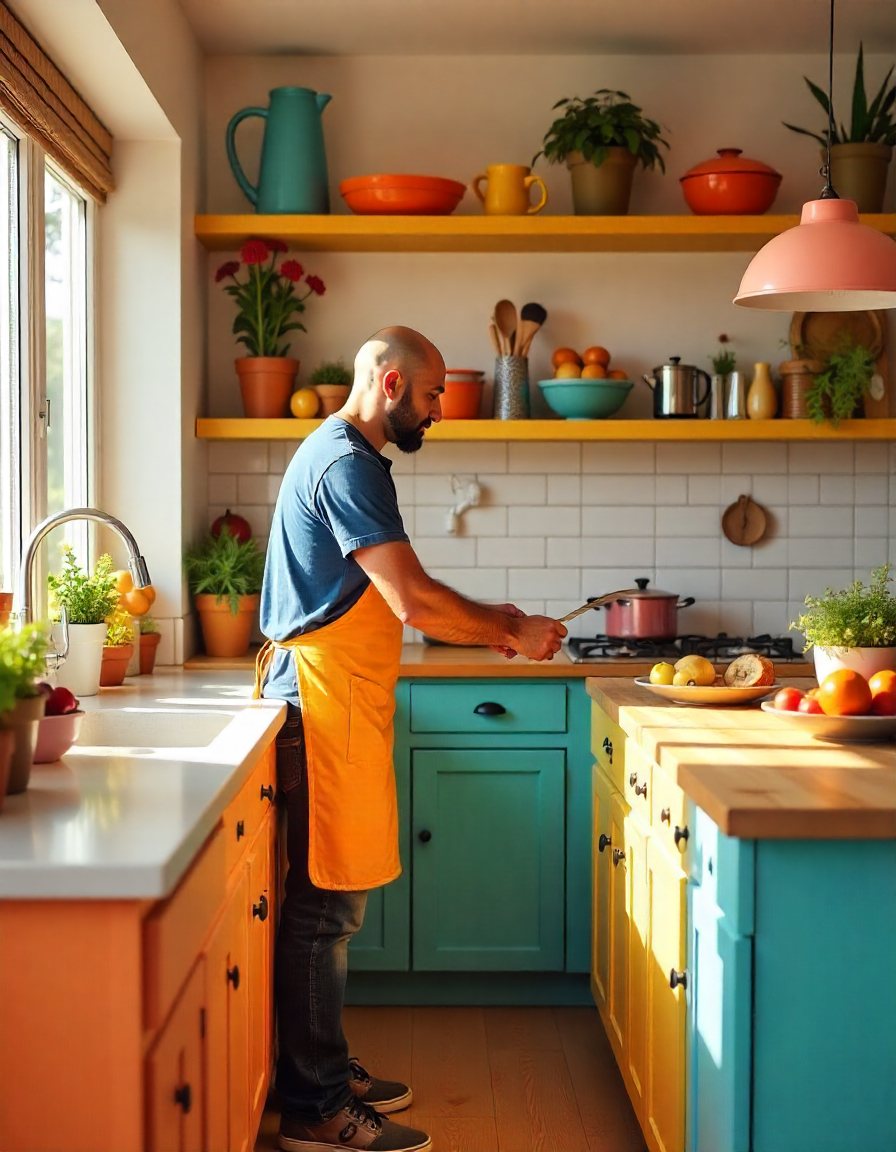
Every homeowner dreams of achieving that coveted magazine-worthy interior without hiring expensive designers or breaking the bank. The secret lies not in costly renovations but in strategic styling choices that maximize visual impact. Professional decorators understand key principles that transform ordinary rooms into extraordinary spaces, and these techniques are surprisingly accessible to anyone willing to think creatively about their living environment.
The Psychology Behind Beautiful Spaces
Interior design affects our mood, productivity, and overall well-being in measurable ways. Research from UCLA’s Center for Everyday Lives and Families shows that people living in organized, thoughtfully designed spaces experience 23% lower cortisol levels compared to those in cluttered environments. This biological response explains why certain rooms feel instantly calming while others create subconscious stress.
Color psychology plays a crucial role in these effects. Blue tones reduce blood pressure and heart rate, making them ideal for bedrooms and bathrooms. Green shades improve focus and reduce eye strain, perfect for home offices. Warm neutrals like taupe and cream create feelings of security and comfort, explaining their popularity in living rooms and dining areas.
Understanding these principles helps you make intentional choices that support your lifestyle rather than simply following trends that may not suit your needs.
Lighting: The Foundation of Ambiance
Poor lighting ruins even the most expensive furnishings, while excellent lighting makes budget pieces look sophisticated. Most homes rely too heavily on overhead fixtures, creating harsh shadows and unflattering illumination that makes spaces feel institutional rather than inviting.
Professional designers follow the three-layer lighting rule: ambient, task, and accent lighting work together to create depth and interest. Ambient lighting provides overall illumination through ceiling fixtures or recessed lights. Task lighting includes desk lamps, reading lights, and under-cabinet strips that serve specific functions. Accent lighting highlights artwork, architectural features, or decorative objects through spotlights, picture lights, or LED strips.
Table lamps and floor lamps instantly warm up cold spaces. Position them at different heights throughout the room to create visual layers. A tall floor lamp behind a sofa adds drama, while table lamps on side tables provide intimate pools of light for reading or conversation.
Consider the color temperature of your bulbs carefully. Warm white (2700K-3000K) creates cozy, relaxing atmospheres perfect for bedrooms and living rooms. Cool white (3500K-4100K) works better in kitchens and bathrooms where you need clear, bright light for tasks.
Dimmer switches offer the ultimate flexibility, allowing you to adjust lighting throughout the day. Install them on overhead fixtures and use lamps with multiple brightness settings to create the perfect ambiance for any activity or mood.
Furniture Arrangement: Creating Flow and Function
Furniture placement dramatically impacts how a room feels and functions. Many people push all furniture against walls, creating a bowling alley effect that makes spaces feel disconnected and unwelcoming. Instead, pull furniture toward the center of the room to create intimate conversation areas and improve traffic flow.
The 18-inch rule ensures comfortable navigation: leave at least 18 inches between furniture pieces and walkways. This prevents rooms from feeling cramped while maintaining accessibility for all family members.
Create focal points in each room to guide the eye and establish visual hierarchy. In living rooms, this might be a fireplace, large artwork, or statement furniture piece. Arrange seating to face or angle toward this focal point while maintaining clear sight lines between seats to encourage conversation.
Balance is crucial for visual comfort. Distribute visual weight evenly throughout the space by mixing different furniture sizes, shapes, and colors. A large sofa needs substantial elements on the opposite side of the room – perhaps a tall bookshelf, large artwork, or pair of chairs – to create equilibrium.
Color Strategies That Expand and Unify
Color choices can make small rooms feel spacious or large rooms feel cozy. Light colors reflect more light, making spaces appear larger and brighter. Paint walls, ceilings, and trim in similar light tones to blur boundaries and create seamless expanses that feel more open.
The 60-30-10 rule provides a foolproof color formula used by professional designers. Choose a dominant neutral color for 60% of the room (walls, large furniture pieces). Select a secondary color for 30% (upholstery, curtains, rugs). Reserve bold accent colors for 10% (throw pillows, artwork, accessories).
Monochromatic color schemes create sophisticated, cohesive looks using different shades and textures of the same color family. A room in varying tones of blue – from pale sky to deep navy – feels intentional and polished while remaining visually interesting.
Don’t forget about undertones when selecting colors. Paint samples can look different under various lighting conditions and alongside different furnishings. Test colors on large poster boards and observe them at different times of day before committing to full room applications.
Texture and Pattern: Adding Depth Without Clutter
Rooms with only smooth surfaces feel flat and sterile, while spaces incorporating varied textures feel rich and inviting. Mix different materials throughout your decor: combine smooth leather with nubby wool, glossy ceramics with rough jute, sleek metal with weathered wood.
Textiles offer the easiest way to introduce texture and pattern. Layer different fabrics through throw pillows, blankets, curtains, and rugs. A smooth leather sofa becomes more inviting with chunky knit throw pillows and a soft cashmere blanket.
When mixing patterns, vary the scale to avoid visual chaos. Combine large-scale patterns with medium and small designs in similar color families. A bold geometric rug pairs beautifully with smaller floral pillows and subtle striped curtains when they share common colors.
Natural materials like wood, stone, and plants add organic textures that make spaces feel more connected to nature. Even small touches – a wooden bowl, stone coasters, or potted herbs – introduce welcome textural variety.
Storage Solutions That Double as Decor
Clutter destroys the most carefully planned design schemes, but storage doesn’t have to be purely functional. Choose storage pieces that contribute to your room’s aesthetic while keeping belongings organized and accessible.
Ottoman storage cubes provide extra seating while hiding toys, blankets, or seasonal items. Floating shelves display decorative objects while keeping surfaces clear. Vintage trunks serve as coffee tables with hidden storage inside.
Built-in storage maximizes space efficiency while creating custom looks. Floor-to-ceiling bookshelves make rooms feel taller while providing extensive storage. Window seat storage benches offer cozy reading nooks with hidden compartments underneath.
Multifunctional furniture becomes increasingly important in smaller homes. Dining tables with built-in drawers, beds with integrated storage, and coffee tables with lower shelves maximize every square foot while maintaining clean lines.
Accessories: The Finishing Touches That Make or Break Design
Accessories personalize spaces and reflect individual style, but too many create visual noise while too few leave rooms feeling incomplete. Professional designers typically add accessories in odd-numbered groups, as our eyes find these arrangements more natural and pleasing.
Height variation creates visual interest in accessory groupings. Combine tall, medium, and short objects on shelves, mantels, and tables. A tall vase paired with medium-height books and small decorative objects creates pleasing proportions.
Fresh flowers and plants bring life and color to any room while improving air quality. Even artificial plants look convincing now and require no maintenance for busy households. Choose high-quality silk plants and place them in attractive planters for maximum impact.
Mirrors deserve special attention as decorative elements because they reflect light and create the illusion of expanded space. Position mirrors opposite windows to bounce natural light throughout rooms. Large mirrors make small spaces feel dramatically larger, while groups of smaller mirrors add sparkle and interest to wall arrangements.
Books, whether read or purely decorative, add warmth and sophistication to any room. Stack them horizontally under decorative objects or arrange them vertically with bookends that complement your decor style.
Creating Cohesion Throughout Your Home
Successful home decorating creates flow between rooms while allowing each space to maintain its individual character. Carry consistent color themes throughout your home, but vary the proportions and applications to keep spaces interesting.
Repeat materials and finishes in different rooms to create subtle connections. The same wood tone in dining room furniture and bedroom nightstands, or similar metal finishes in light fixtures and hardware, ties spaces together without being obvious.
Maintain consistent style elements while adapting them to each room’s function. A modern home might feature clean lines and minimal accessories in every room, but the living room could emphasize comfort while the home office prioritizes function.
Quality over quantity applies throughout your decorating journey. Invest in fewer, better pieces rather than filling rooms with inexpensive items that need frequent replacement. Well-made furniture, lighting, and accessories improve with age and provide better value over time.