
Hype Meets Reality
THCA has become a buzzword in the wellness and cannabis worlds. Social media posts, wellness blogs, and scientific discussions are all pointing to its potential. But in Sweden, where cannabis law is strict, the hype must be balanced with reality.
For consumers, this means asking tough questions: what does the science actually say? How do THCA vapes work? And is it safe—or even legal—to buy them? This article unpacks the science behind the hype.
What Is THCA From a Scientific Perspective?
THCA is short for tetrahydrocannabinolic acid, a naturally occurring cannabinoid found in cannabis plants. Unlike THC, it does not intoxicate in its raw form. This is because its molecular structure prevents it from binding effectively to receptors in the brain.
However, when heated, THCA undergoes decarboxylation, converting into THC. This simple chemical change is what transforms a wellness compound into a psychoactive one.
Vaping THCA – Science Meets Technology
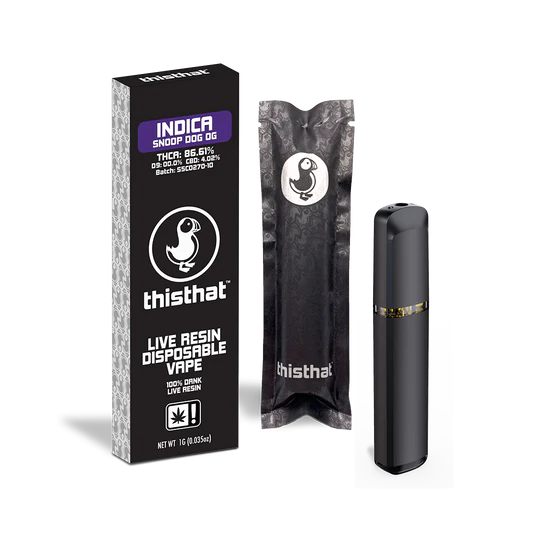
Vapes are engineered to heat cannabis oils at controlled levels. For THCA, this means inhaling the cannabinoid in vapor form without burning it. However, the science of heat makes vaping complicated.
Even small changes in temperature can shift the outcome. Too low, and the vape may not release enough THCA. Too high, and it may produce THC instead. This fine line is particularly important in Sweden, where THC is illegal.
Sweden’s Legal Context – A Science-Policy Gap
Swedish law is designed to eliminate THC from public use. Possession, use, and sale are all criminalized. THCA is not specifically named, since it does not intoxicate, but its link to THC places it under suspicion.
This gap between science (non-psychoactive THCA) and policy (zero tolerance for THC) creates confusion. Consumers must operate carefully within this space to avoid unintended legal consequences.
Potential Scientific Benefits of THCA
Research into THCA is ongoing, but early results suggest it may:
-
Reduce inflammation, potentially helping arthritis or muscle pain.
-
Provide neuroprotection, supporting brain and nerve health.
-
Offer anti-nausea properties, helping people undergoing medical treatment.
-
Encourage appetite recovery, supporting nutrition and wellness.
These potential benefits explain why interest is spreading worldwide, including in Sweden.
Scientific Risks and Limitations
Alongside promise, THCA research highlights risks:
-
Conversion risk: Scientific heating thresholds show how easily THCA becomes THC.
-
Unregulated markets: Without standardization, products may be unsafe.
-
Legal ambiguity: Science says THCA is non-psychoactive, but Swedish law sees its potential as risky.
Understanding both promise and limitation is essential for consumers who want evidence-based decisions.
Buying THCA Vapes With Scientific Awareness
Consumers should approach THCA with the same rigor as researchers:
-
Always demand COAs to confirm the chemical profile.
-
Choose vendors committed to testing and safety.
-
Avoid products without clear documentation.
-
Stay informed on both scientific updates and legal changes.
One source aligned with these values is THCA Vape