
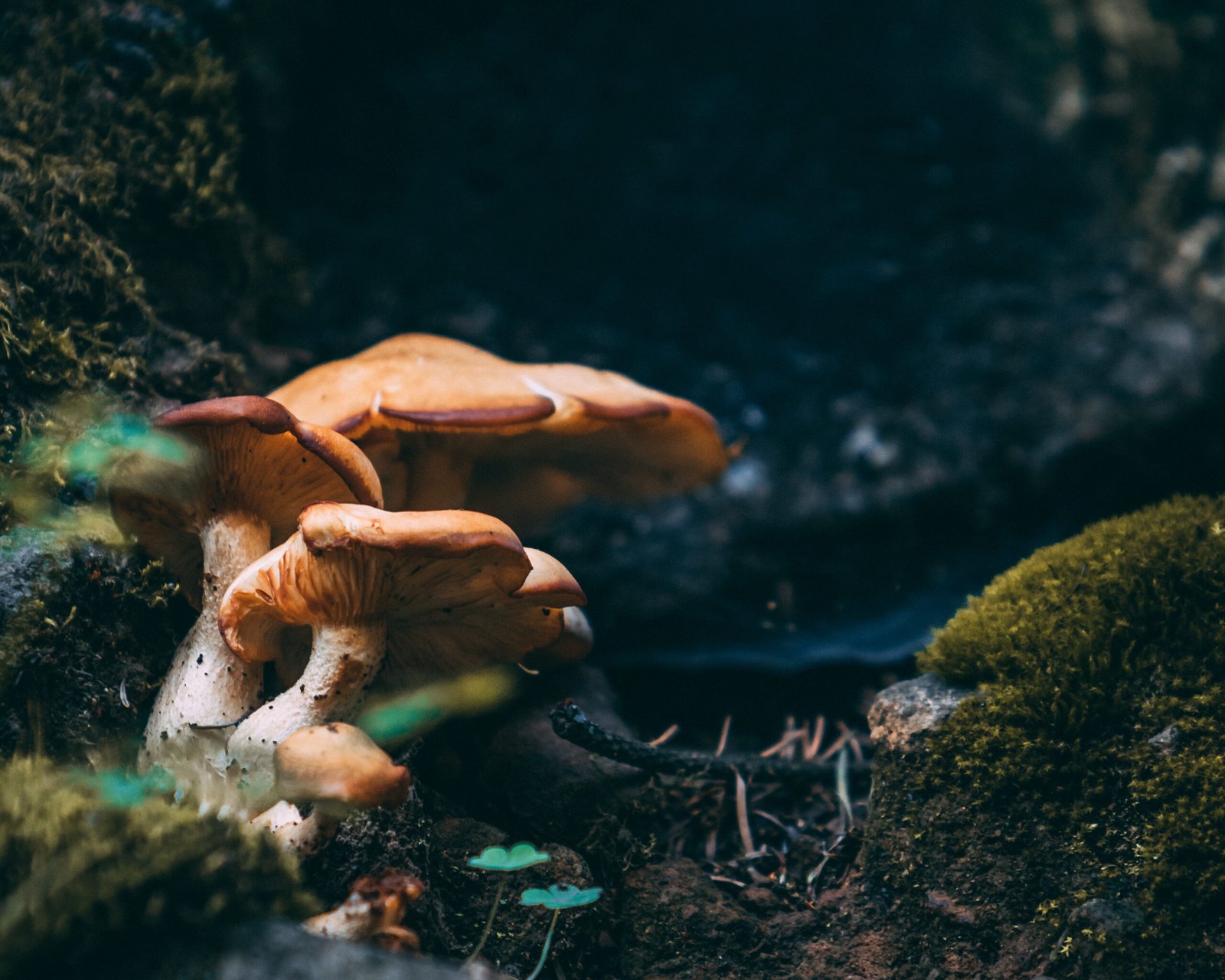
Magic mushrooms, scientifically known as psilocybin mushrooms, have been used for centuries in spiritual rituals, cultural ceremonies, and more recently, scientific research. These naturally occurring fungi contain psychoactive compounds—primarily psilocybin and psilocin—that alter perception, mood, and cognition. In recent years, public interest has grown due to renewed research into their potential therapeutic benefits. However, alongside curiosity comes confusion about their effects, risks, and legal status.
The Historical Use of Magic Mushrooms
The use of psilocybin mushrooms dates back thousands of years. Indigenous cultures in Mesoamerica, particularly the Aztecs and Mazatecs, used them in sacred ceremonies for healing and spiritual insight. They were often referred to as “teonanácatl,” meaning “flesh of the gods.”
In the 1950s, Western researchers became interested after ethnomycologist R. Gordon Wasson documented their ceremonial use in Mexico. This led to scientific studies and eventually the isolation of psilocybin by Swiss chemist Albert Hofmann in 1958. During the 1960s, psychedelic substances gained popularity in countercultural movements, but widespread recreational use also triggered legal restrictions across many countries.visit for more details magic mushroom delivery
How Magic Mushrooms Affect the Brain
Psilocybin works by interacting with serotonin receptors in the brain, particularly the 5-HT2A receptor. Serotonin is a neurotransmitter responsible for regulating mood, perception, and cognition. When psilocybin is metabolized into psilocin, it alters communication between brain regions.
Users commonly report:
-
Visual and auditory hallucinations
-
Altered sense of time
-
Heightened emotions
-
Spiritual or mystical experiences
-
Changes in perception of reality
Effects typically begin within 20 to 60 minutes of ingestion and may last between four to six hours, depending on dosage and individual physiology.
Potential Therapeutic Benefits
In recent years, scientific research has re-examined psilocybin for potential mental health treatments. Clinical trials have explored its effects on:
-
Major depressive disorder
-
Treatment-resistant depression
-
Anxiety related to terminal illness
-
Post-traumatic stress disorder (PTSD)
-
Addiction (including alcohol and nicotine dependence)
Some studies suggest that, when administered in controlled clinical settings under professional supervision, psilocybin may help reduce symptoms of depression and anxiety. Researchers believe that the compound may help “reset” certain neural pathways, promoting new patterns of thinking and emotional processing.
However, it is important to note that these treatments are conducted in highly controlled environments and are not equivalent to recreational use.
Risks and Side Effects
While some individuals describe positive or transformative experiences, magic mushrooms also carry significant risks. Psychological effects can be unpredictable, particularly for individuals with a history of mental health disorders.
Common risks include:
-
Anxiety or panic attacks
-
Paranoia
-
Confusion
-
Nausea and vomiting
-
Increased heart rate
-
Impaired judgment
In rare cases, individuals may experience persistent psychological distress or Hallucinogen Persisting Perception Disorder (HPPD), which involves ongoing visual disturbances.
Set and setting—meaning a person’s mindset and environment—play a major role in shaping the experience. A stressful or unsafe environment increases the risk of a negative reaction, often referred to as a “bad trip.”
Legal Status Around the World
The legal status of psilocybin mushrooms varies widely by country and region. In many nations, psilocybin is classified as a controlled substance, making possession, sale, and distribution illegal.
For example:
-
In the United States, psilocybin is classified as a Schedule I substance under federal law, though some cities and states have decriminalized personal possession.
-
In Canada, psilocybin remains illegal except for limited medical exemptions and research purposes.
-
In the Netherlands, certain forms of psilocybin-containing truffles are legally sold under regulation.
-
Several countries in South America have more relaxed or unclear laws regarding personal use.
Because regulations are evolving rapidly, individuals should always consult up-to-date local laws before considering any involvement with psychedelic substances.
The Difference Between Decriminalization and Legalization
It is important to distinguish between decriminalization and legalization. Decriminalization typically means that possession of small amounts results in reduced penalties, such as fines instead of criminal charges. Legalization, on the other hand, allows regulated production and sale under government oversight.
In recent years, some jurisdictions have chosen to decriminalize psilocybin as part of broader drug policy reform focused on harm reduction and public health rather than punishment.
Harm Reduction and Safety Considerations
For those seeking information about psychedelics, harm reduction education is crucial. This includes:
-
Understanding dosage and potency
-
Avoiding mixing substances
-
Being aware of mental health history
-
Ensuring a safe and supportive environment
-
Avoiding use during pregnancy or with certain medications
Medical professionals strongly advise against unsupervised use, particularly for individuals with schizophrenia, bipolar disorder, or severe anxiety disorders.
The Future of Psilocybin Research
The future of psilocybin lies primarily in medical and psychiatric research. Universities and research institutions continue to conduct controlled clinical trials to better understand how psychedelic-assisted therapy might fit into modern mental health treatment.
Regulatory agencies in some countries have granted “breakthrough therapy” designation to psilocybin-based treatments, signaling recognition of promising early results. However, full approval requires extensive testing to confirm safety, effectiveness, and standardized dosing protocols.
Conclusion
Magic mushrooms have a long and complex history that spans ancient spiritual traditions, 20th-century counterculture, and modern scientific research. While psilocybin shows potential therapeutic promise under controlled conditions, it also carries psychological and legal risks.
Understanding the history, effects, risks, and legal status of magic mushrooms is essential for making informed decisions. As research evolves and laws change, ongoing education and responsible discussion remain key to navigating this controversial yet scientifically intriguing subject.